
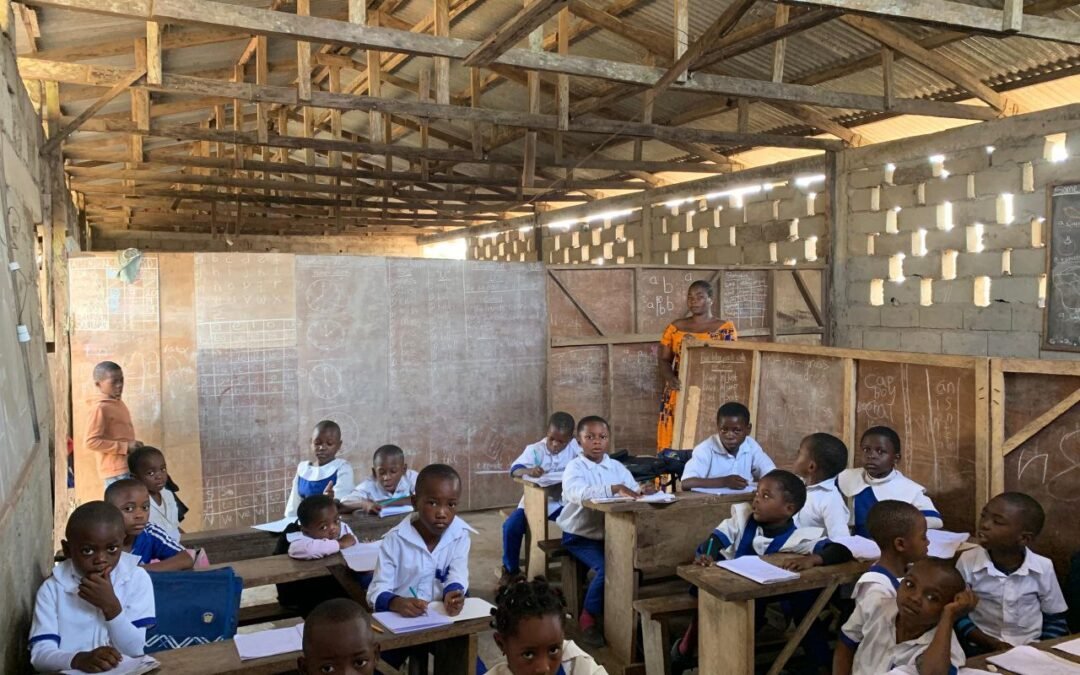
The ongoing armed conflict in Cameroon’s Anglophone regions (North West and South West) has displaced hundreds of thousands of people. As of December 2025, there are estimated 493,402 IDPs in these two regions alone, with children making up a significant proportion of the displaced population, and over 246,000 children are out of school and with about 54% of schools have shut down. Many families have fled violence, leaving children exposed to poverty, lack of education, and protection risks.
Since 2023, PCUSA together with PCC, have supported a large number of children in Fako division, South West Region of Cameroon, both government and Presbyterian schools have benefited from this support, thus, ensuring that these children are assured again and they have the chance to be in school.
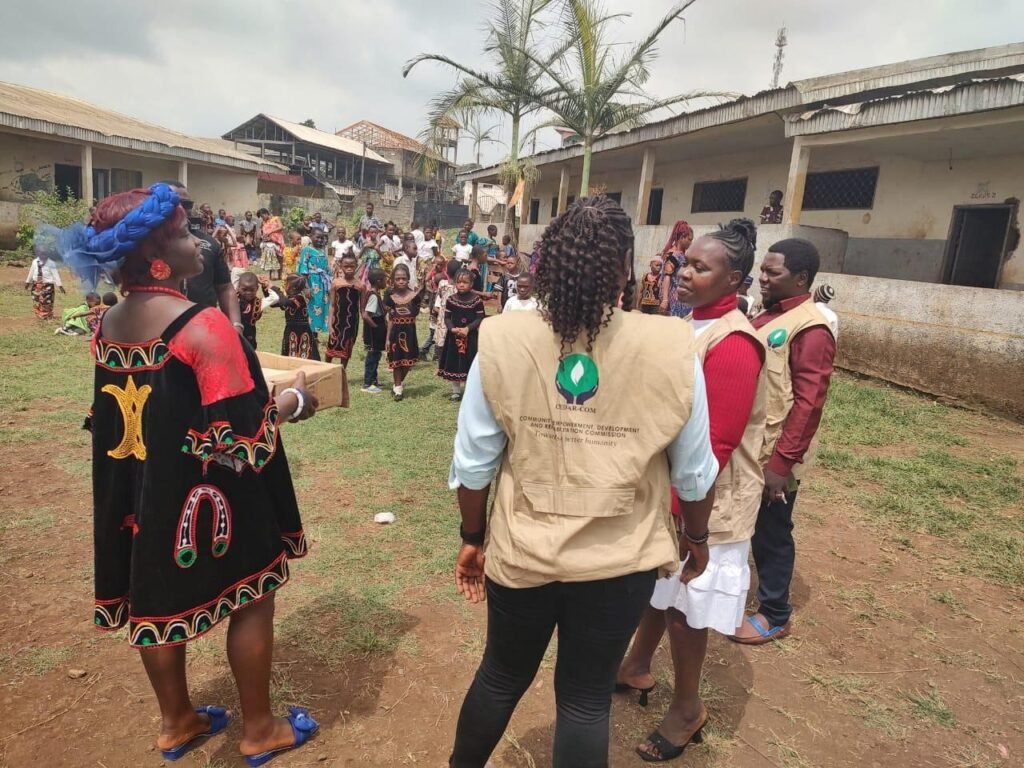
Internally displaced and vulnerable children, have been our main target and concern over the years benefitting from this scheme of support from PCC and over 300 children have benefited from this project by receiving; school fee support, birth certificates for those who do not have, examination fee support, text/exercise books, school bags and other didactic materials to ensure their stay in school.
The donations for this school year 2025/2026, activities are still ongoing in the field, but so far, we have recorded the following achievements;
- Giving out examination fee support to 10 first cycle pupils who are preparing to write their exams
- Purchase of didactic materials
- Work in progress with Birth Certificates
Key Challenges Facing Children in these areas
• Protection risks: Children are vulnerable to abuse, neglect, exploitation, and violence in displacement settings.
• Educational challenges: some schools have been closed down or destroyed, and many children cannot access formal education as a lot of them have dropped out school, some unwanted pregnancies and some are in the streets hawking to ensure they find food to eat and equally assist their parents who may be impaired due to the crises.
• Health challenges: Limited access to healthcare increases as hospitals have burnt down, some have been abandoned due to the risk in some of these areas, risks of malnutrition, disease, and untreated injuries sustained from the running from one place to another.
• Psychosocial distress: Exposure to violence and instability has led to trauma, anxiety, and other mental health issues. As some children now practice some barbaric acts in school, telling their friends is what they saw in the bushes while trying to survive.
• Basic needs: Shelter, food, and clean water remain scarce for displaced families.
Recommendations
• Educational initiatives: Mobile schools and community learning centres are being introduced to keep children engaged and keep them assured of a brighter future.
• Child-friendly spaces: Safe areas are established to provide psychosocial support and recreational activities that will help the children move from the tragedy they went through.
• Advocacy: Calls for increased international support to close funding gaps and ensure sustainable protection for children.
- The Government, NGOs, Humanitarian organisations and community groups and international partners or organisations, should work together to provide emergency relief, though funding gaps remain a major obstacle.
Conclusion
Every effort counts and collective action can make a difference. Let us together help keep children in school for a safe Cameroon and a bright future for the children, the nation and world at large. The time is now, let us act now. As Cameroon navigates this challenging period, the future of its children hangs in the balance. So therefore, prioritising education, we can help rebuild communities and pave the way for lasting peace and development
Written by; Likafi Sandrine
Project support Staff CEDAR-COM